

As temperatures rise and more people head outdoors to make the most of the summer, the UK’s waterways, coastlines and lakes become increasingly popular destinations. Whether you’re paddleboarding on a lake, wild swimming in a river, kayaking along the coast or simply enjoying a day at the beach, water safety should always be a top priority.
Recent figures highlight just how important this message is. During the recent heatwave, 17 people tragically lost their lives in accidental drowning incidents over just a few days. This represents around 10% of the UK’s average annual accidental drowning fatalities, demonstrating how quickly warm weather can increase the risks around water.
With more people expected to holiday closer to home and heatwaves becoming a regular feature of British summers, understanding how to stay safe in and around water has never been more important.
What is Float to Live?
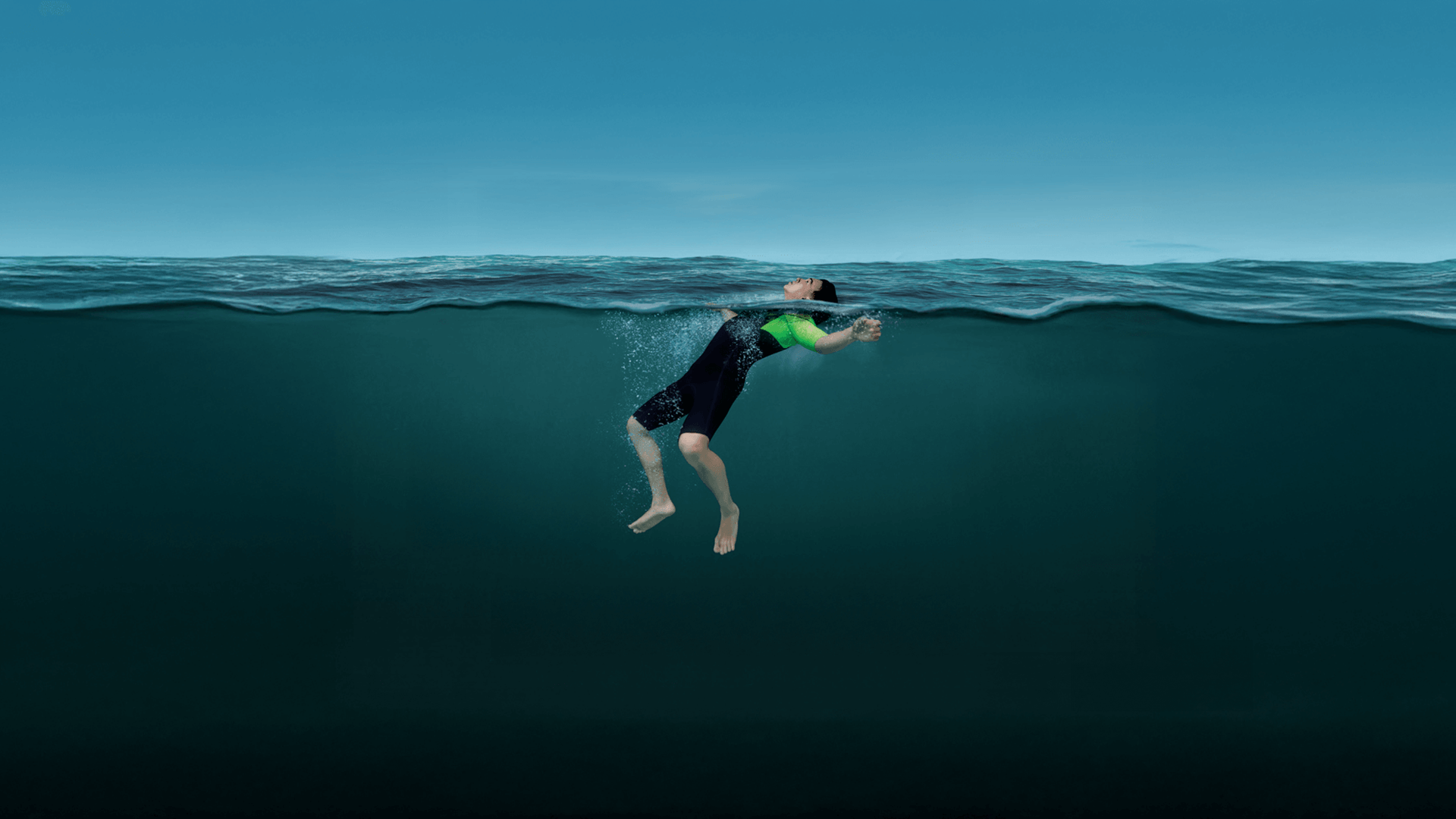
The RNLI’s Float to Live campaign shares a simple but potentially life-saving message: if you find yourself unexpectedly in deep water, fight your instinct to thrash or swim immediately.
Instead:
- Tilt your head back with your ears submerged.
- Relax and try to control your breathing.
- Use your hands and legs to help you stay afloat.
- Your legs may sink – that’s OK, everyone floats differently.
- Once your breathing is under control, call for help or swim to safety if you’re able.
Cold water shock can affect anyone, even strong swimmers. The sudden gasp reflex and rapid breathing caused by entering cold water unexpectedly can quickly lead to panic. Floating helps your body recover from this initial shock, giving you valuable time to think clearly and improve your chances of survival.
Why Water Safety Matters
Many accidental drownings occur because people underestimate the dangers of open water. Rivers can have strong currents beneath calm surfaces, coastal waters can change rapidly with tides and weather conditions, and even inland lakes can remain surprisingly cold throughout the summer.
Before heading out, always:
- Check weather and water conditions.
- Wear appropriate safety equipment, including buoyancy aids where necessary.
- Avoid entering the water alone.
- Tell someone where you’re going and when you expect to return.
- Carry a means of communication if possible.
How Aftercare Can Help
If you enjoy outdoor adventures, ensuring your kit is properly maintained is also important. Waterproofing clothing, swimsuits and wetsuits should be regularly cleaned and cared for to help them perform when you need them most.
Grangers is proud to be the RNLI’s Official Aftercare Partner. We keep the brave volunteers of the RNLI warm and dry when saving lives at sea. Our cleaning and reproofing solutions help keep their Helly Hansen kits performing in the most extreme conditions. Rain, wind, seawater, you name it, Grangers repels it.
Share the Message, Save Lives
The RNLI’s lifesaving work extends far beyond lifeboat stations and beaches. It reaches communities, rivers, harbours, lakes, schools and homes across the UK. By spreading awareness of the Float to Live message, we can all play a role in helping people make safer choices around water.
At Grangers, we’re passionate about helping people enjoy the outdoors responsibly and safely. This summer, whether you’re exploring the coast, spending time on the water or enjoying an outdoor adventure with family and friends, take a moment to familiarise yourself with Float to Live. It’s a simple skill that could save your life – or someone else’s.
Stay safe, stay prepared and make the most of the great outdoors this summer.

Share:
Marathon Training Guide: Tips to Help You Run Further, Stronger, Smarter
Why Outdoor Adventure Matters for Young People This Summer